
Happy Wednesday! Last week Samantha Rose was in Iceland for the eclipse (alas, it was cloudy!) while Jess Kapadia and Azora Zoe Paknad had an awesome coffee shop creative sesh in person. Three cheers for taking long overdue PTO— well, as much “PTO” as an always-on founder can spiritually take— and for meeting your coworkers IRL for the first time.
This week it’s back to business: and there’s a lot of it. We left 15+ commerce stories on the cutting room floor in an effort to bring you the news you might not have seen yet… though that Beis exit to Samsonite, Rhode’s continued success and the shuttering of Unwell were certainly all quite juicy. Read on for ops tips, growth tactics, and inspiration from founders and operators who are crushing it and building in public.

FedEx dropped 2026 peak season numbers: ground residential surcharges up 23%, large-shipper fees restructured, EU inbound fee, and surcharges eating 30–50% of some shippers' total cost. Woof.
L Catterton paid $680M for Thorne in 2023 and P&G just bought it for $3.8B. Fan Bi of In the Money asks: which wellness brand is next?
A bootstrapped pistachio brand hit $4.5M, landed Costco, took on a million in PO financing, and almost got crushed by the win.
Which one of Kristen Lowe’s three founder archetypes are you: A Problem founder, an Insight founder, or a Vision founder? Knowing will help answer "wtf do I post as founder?"
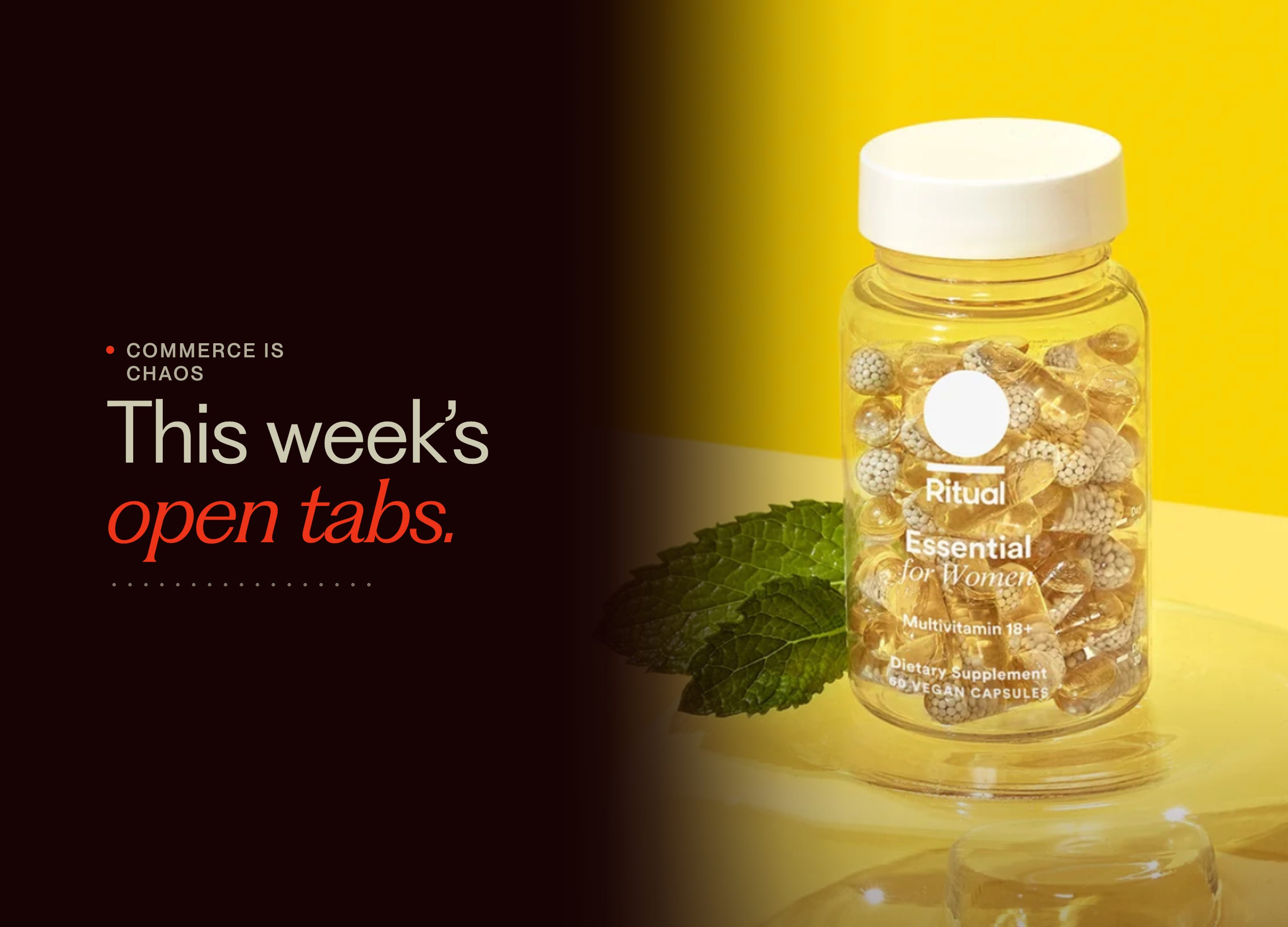
Ritual's prenatal line just went chain-wide at Costco. CEO Katerina Schneider's got a great take on the retail “test.”
Here’s why a stockout this peak season will cost you more customers than it did last year.
Listicles get a bad rap, but Nik Sharma’s pod episode on how they can out-convert traditional PDPs is incredibly handy.
Sweetgreen x Fishwife is the Fast Casual meets CPG partnership that dreams are made of.


Last week, we took the whole family inside an Icelandic glacier. Ceiling held... which is more than I can say for most Q3 forecasts!

Vanessa Phillips is the Founder and CEO of Feel Good Foods, the #1 natural frozen snack and appetizer brand in the country. Her dad owned Chinese restaurants in New York City. After a celiac diagnosis pulled her out of the hospitality career she'd she opened Friedman's in Chelsea Market, using the restaurant as a place to figure out which gluten-free foods actually tasted good to a real, paying crowd.
When she was ready to go bigger, she mailed Whole Foods a Ziploc bag of homemade dumplings packed in dry ice, no meeting, no formal packaging, just a lot of belief. They said yes to 27 stores, and she spent the next four months showing up in person twice a day to demo the product herself.
That scrappy start is now a company with 30 SKUs in nearly 25,000 stores nationwide, and about three out of four customers buying Feel Good Foods purely because it tastes good.

The stockout item is the one with the longest tail. When a product goes out of stock, most stores fall into one of three defaults without ever deciding: leave the page up, redirect it to the category, or delete it. Only the first one keeps the search history that page spent months building, so the other two turn a temporary supply problem into a permanent visibility one.
Thirty seconds, no tools, for anyone reading. Type site: then your domain with no space, then the name of a product you stopped selling last year. If nothing comes back, that page is gone from Google, and the next product you retire will go the same way.
I spent this summer going through 197 online stores in the UK, Australia and New Zealand. The things that actually moved anything were almost always this boring.