
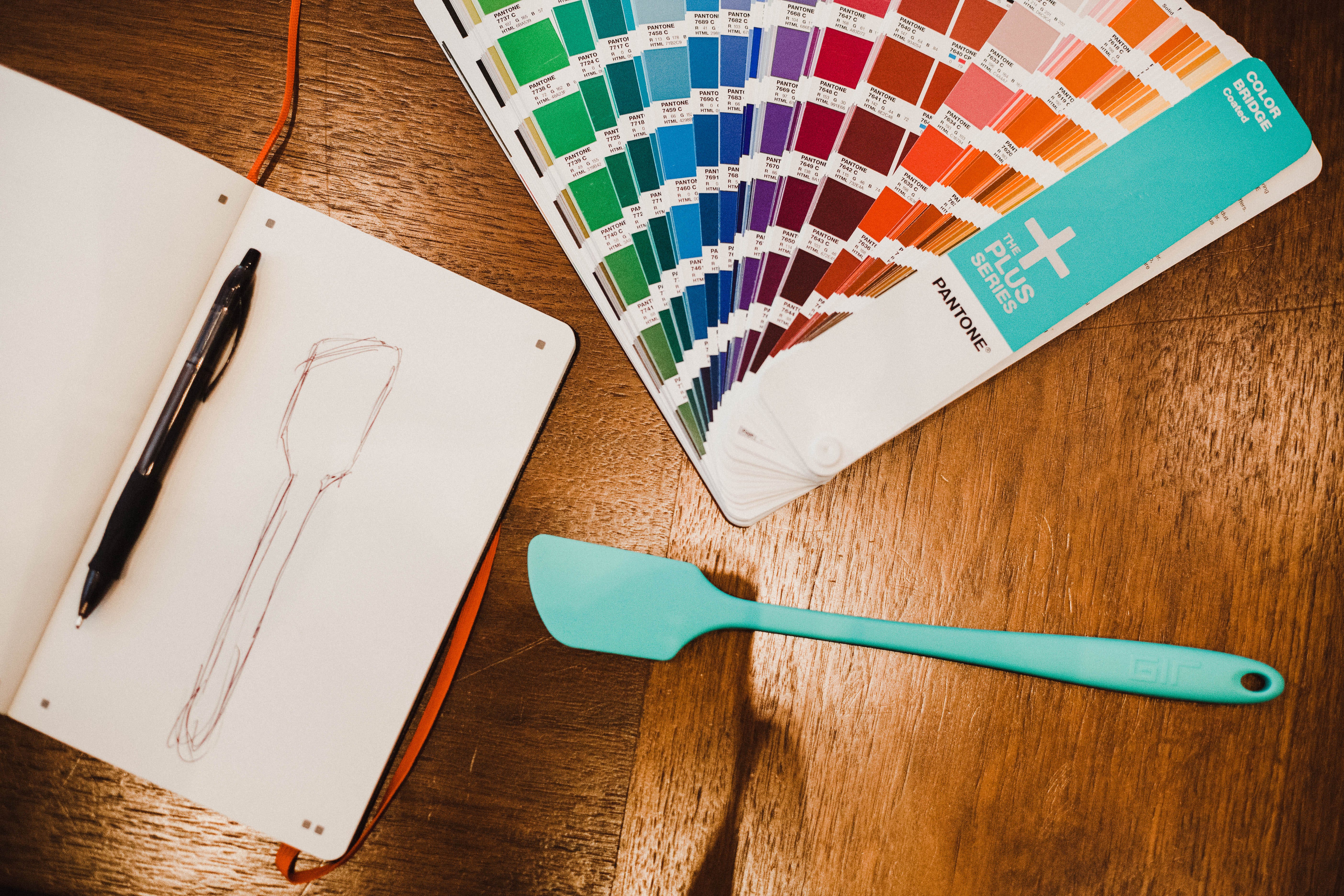
The Mvnifest way is to start with a great product, and let a business plan congeal around that. This is how GIR was born. I started with a fantastic product, built from scratch out of my kitchen, and I’ve always had a bias toward action over plan, so I just… went.
If I had to summarize the following steps, it would look something like:
Google your idea first, make sure it doesn’t exist. Take a look at what’s similar, and then ask what’s my differentiator?
Identify your target market. What problem am I trying to solve with this, and who needs it? You don’t want to be everything to everybody, but don’t marry yourself to the idea of a product no one needs. Be committed to the problem you’re looking to solve, be flexible with how you get there.
Then, start making phone calls…
How are you going to get this thing designed and manufactured? Do you know anyone who could share some advice? Call ‘em. Search around the internet for factories or partners that fit your product. Call ‘em. One of my favorite resources here is thomasnet.com—they have hundreds of factories listed, and many of those have sales departments that will take your call and teach you a bunch about a specific product category or material in 10 minutes on the phone. Alibaba is also a great place to see tons of comparable or competitive products and get a sense of what’s out there. You can also go to a more full-stack resource (no shame, Mvnifest is one of those!) that can help end-to-end in bringing a product to life. Either way, come prepared to pepper the conversation with questions and learn as much as you can. The folks you talk to will help you set your bearings—and most of them are really delightful and go above and beyond to answer questions before ever asking for a dime.
What are the elements that are super important to you from a features or values perspective? Who can help you think about those values—maybe push you toward or away from prioritizing some of them, or be a sounding board for how to accomplish what you’re trying to make? Try to ask for advice from people that won’t just tell you what you want to hear. Do you have an especially skeptical aunt or cousin? Call ‘em. (But also, don’t let anyone scare you away from pursuing an idea you believe in—you get to pick which advice you follow.)
Everything I did in the early days at GIR was determined through directional gut checks vs. a plan we adhered to closely. And I wouldn’t change that. However, there are a few things I’d recommend you consider:
You can and SHOULD plan for what your tolerance is financially. (We talk a lot about how much money you’ll use to get started, and level-set expectations around consumer goods companies and manufacturing on our TikTok).
You need to consider how you’re reaching your customers. A marketing and sales strategy is one of the most important aspects of your entire business. (I’ll be expanding on that this month, as I’m a big believer in an omnichannel sales strategy. It changed everything for us).
Getting ahead of these will save you a lot of time and money. For GIR, the “business plan” (or our version of that blueprint) came after the first product, because we knew so much more about our product, our customers, and ourselves.


Launching a consumer goods company can be daunting. I built and scaled an 8-figure brand from my kitchen and we made a ton of mistakes before getting a lot of our wins. When we talk to other founders, we realize they collectively share many of the same struggles.
Two years ago, we started Mvnifest: a company born of wanting to make everything easier for other consumer brands. We manage every aspect of the consumer goods brand lifecycle, from ideation to fulfillment, and are the swiss army knife in your favorite brands’ back pockets. We’re waxing poetic on some of our favorite industry trends, tips, and takeaways for consumer goods brand builders, founders, and the teams behind them. Subscribe to our substack for the bi-weekly blueprint for Consumer Goods founders.