
Several years ago, on a cold and rainy day in November, our fearless COO Brian (who happens to be Sam's husband) found himself in a parking lot fulfilling 10,000 orders out of the back of a couple U-Haul trucks, with a laptop, a small label maker, and a handful of temp employees to make it all happen. No internet, no running water, no bathrooms… sleeping in the back of the car to make sure that “holiday” happened for our customers. It was truly one of the worst days ever for us as business owners, and a tragic bonfire at the end of a terrible relationship with our then-3PL.
In the early days of GIR, we, like so many other business owners, shipped products out of a glorified apartment hallway. When it came time to actually engage with a logistics provider, we were so happy to be shipping enough volume to warrant such a move. At the time, our business was almost exclusively DTC and the SKU count was limited. Sam would delight in hearing a ping on the phone that an order had been placed and it was no longer her responsibility to ship it! BEST DAY EVER!
Over years, we developed strong wholesale relationships, opened dropship channels, expanded our DTC business and our SKU count, and matured into new—and more!—logistical requirements. By the time Brian ended up in that parking lot we had cycled through three different 3PL providers. We had a hard time finding partners that were willing to support our omnichannel sales approach. One would be great at DTC fulfillment, but wouldn’t have the first idea how to handle Amazon prep or Target fulfillment. Another would want to manage wholesale only, and couldn’t handle DTC requirements like gift notes or VIP bundles. We considered having two different providers, but inventory spread across the map like that creates its own headaches. All that aside, the biggest challenge was transparency.
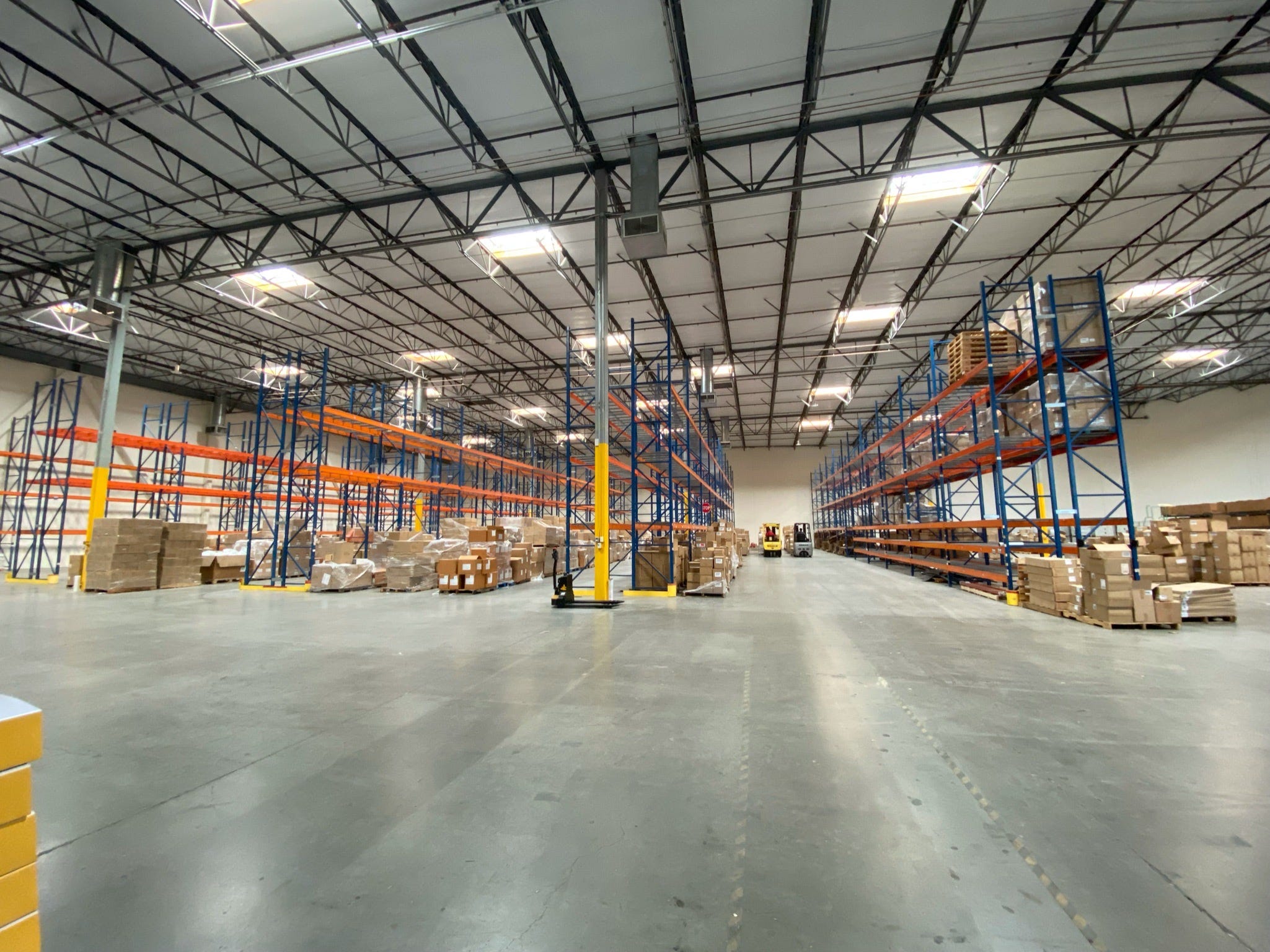
Having physical products in a warehouse is literally like having money in the bank. It’s your investment, your livelihood and most importantly, it’s yours. So when you can’t get anyone on the phone in the warehouse, you panic. When you don’t get an accurate inventory count, you go nuts. And when you show up at the warehouse door, and you aren’t invited in… you rent a couple of U-Hauls, grab your spatulas, and run!
If you're in the market for a new logistics partner, here's some things to know. (Hopefully we'll save you some heartache.)
1. "3PL" (third-party logistics center) is the term most often used for this outsourced help. They are providers outside your brand that will ship your product for you. (No more shipping out of the garage!)
2. Find out if a 3PL can support an omni-channel approach. If you want your business to scale from one DTC site to 1—or 1,000—retail locations, will you have the right partner in place?
3. How will you be charged? (Pay attention to this one.) If a 3PL is going to pad your shipping costs by some percentage in exchange for suspiciously low pick-and-pack fees, beware! This will not encourage them to ship your stuff economically. In other words, shipping in a bigger box will be their obvious choice. And it will be more expensive for you. Labor and carton costs add up to about $2-3 for a small ecommerce shipment with one item in it. They just do. So if your 3PL is hiding those costs - saying it’s free or $1, know that they’re making up the shortfall somewhere else in your billing. And if that’s not transparent to you, it’s not a good sign.
4. Finally, what sort of customer service is in place at the 3PL to help you out? If you have a question or a request, is there a dedicated team for you? If an order needs special attention, is there responsiveness to that? Is there coverage in all time zones? Make sure that your 3PL’s customer service is on point, because their excellence will impact how well you can service your own end customers as a result.
How It All Ended
We decided soon after that holiday season we were going to open Mvnifest and start our own fulfillment center to ship for our brands. Pretty organically, folks in the industry started asking us for help. We promised to treat their products like our own, with a guarantee of full visibility. The door is always open, and we always answer the phone. We like to think of it as doing business with friends.
We manage every aspect of the consumer goods brand lifecycle, from ideation to fulfillment, and are the swiss army knife in your favorite brands’ back pockets. We’re waxing poetic on some of our favorite industry trends, tips, and takeaways for consumer goods brand builders, founders, and the teams behind them. Subscribe to our substack for the bi-weekly blueprint for Consumer Goods founders.